
Prompt Engineering for Translators: Why Manual Prompting is Dead in 2026?
There is a misconception that to survive the AI era, translators must become "Prompt Engineers" technicians who spend all day writing complex codes to trick ChatGPT into doing a good job.
But let's be honest: You didn't become a translator to write code. You became a translator because you love language.
The most successful linguists in 2026 aren't wasting hours crafting the "perfect prompt." They have graduated to a more powerful workflow: The AI Feedback Loop. Instead of trying to control the AI, they use specialized environments like the NovaLexy Playground to turn the AI into a strict, "pro-level" editor that teaches them while they work.
The Playground: Your "Senior Editor" on Demand
Most generic AI tools just give you output. You paste text, you get a translation, and you have no idea if it's accurate unless you check every word. This is a black box.
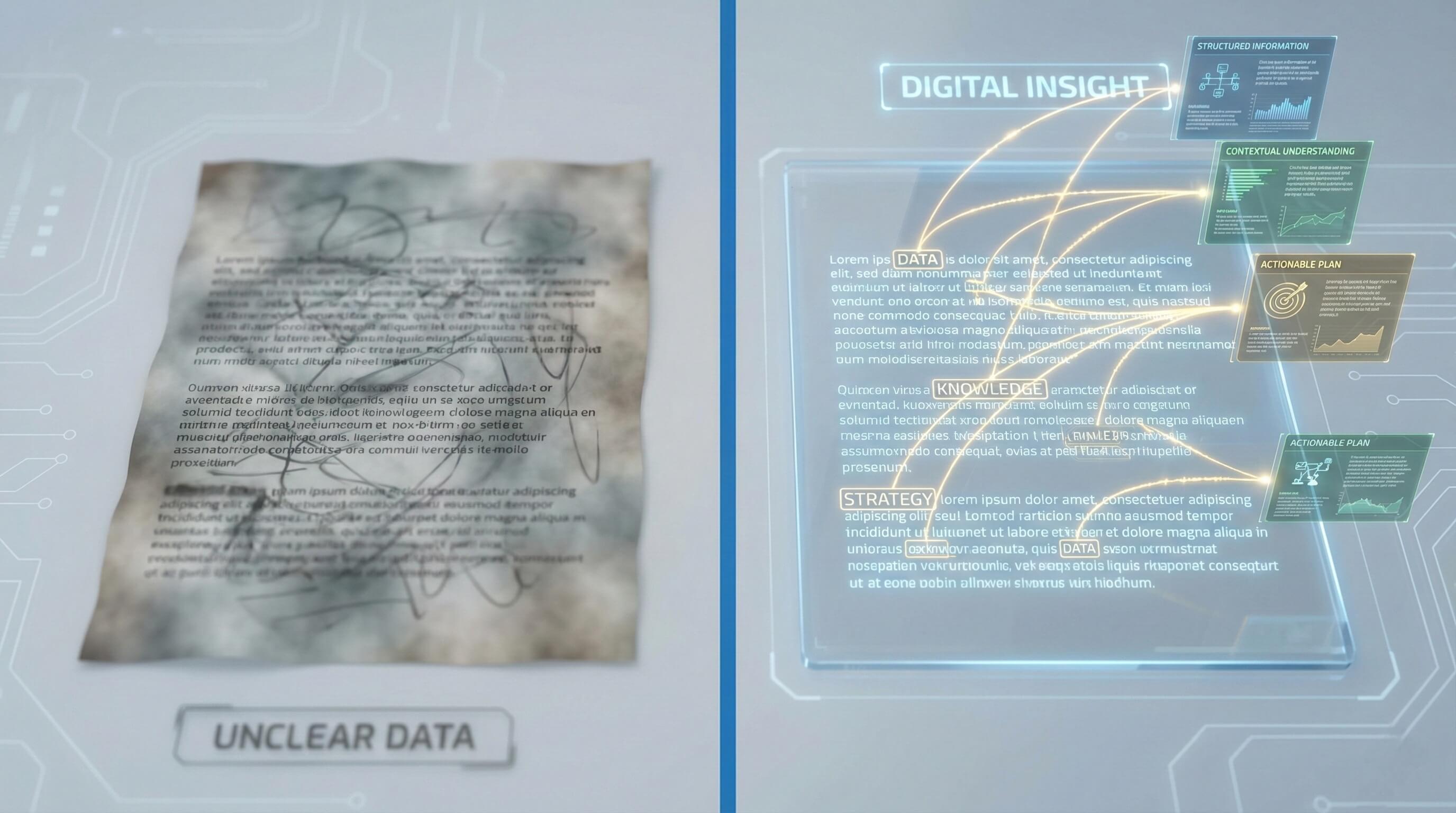
The NovaLexy Playground is different because it focuses on Diagnostic Feedback. When you feed it your translation (or a machine-generated draft), it doesn't just fix it—it audits it.
The "Why" Matters More Than the "What"
In a standard tool, the AI might silently change "House" to "Home." You might miss that change.
In the Playground, the system flags the change and explains: "Context Warning: 'House' implies a physical structure, but the source text implies an emotional connection. 'Home' is the preferred register for this marketing copy."
This is the "Pro Level Feedback" that students and professionals are desperate for. It captures the nuance that 90% of translators miss: terminology consistency, cultural register, and "false friends." It is effectively a masterclass in translation theory, tailored specifically to your current project.
Templates: The End of "Copy-Paste" Context
The second biggest time-waster in manual prompt engineering is Context Amnesia. You tell ChatGPT: "Use the client's preferred glossary for medical terms." Five minutes later, it translates "Heart Failure" incorrectly because it "forgot" your instruction.
This is why professionals use AI Templates. A Template isn't a prompt you have to type every time; it is a locked environment.
- Client Constraints: Lock in the target audience (e.g., "Medical Professionals" vs. "Patients").
- Negative Constraints: Permanently ban specific words that the client hates.
- Style Enforcers: Set the "Temperature" of the creative output once, and it applies to every single segment.
With Templates, you don't "ask" the AI to remember the rules. The rules are baked into the infrastructure. This allows you to process 10,000 words with the exact same consistency as 100 words—something manual prompting simply cannot achieve.
Why This Matters for Students and Pros
For Students, the Playground is a safety net. It allows you to experiment, make mistakes, and get immediate, detailed feedback on why you were wrong, accelerating your learning curve by years.
For Pros, it is a quality shield. It catches the fatigue-induced errors—the inconsistent terminology, the subtle drift in tone—that usually slip through during long projects. It allows you to deliver "Premium Human Quality" at AI speeds.
The Verdict: Don't Prompt, Architect

Stop trying to have a conversation with a chatbot. Professional translation requires professional infrastructure. By moving your workflow into an environment designed for Feedback and Context Retention, you stop being an AI operator and start being a Translation Architect.