
In late 2024, a senior project manager at a European LSP said something that quietly shocked a room full of translators:
“We didn’t fire anyone. We just stopped assigning work the old way.”
That single sentence explains almost everything about AI translation jobs in 2026.
The work didn’t disappear overnight. The profession didn’t collapse. But the rules changed — quickly, quietly, and unevenly.
The Real Shift: Tasks, Not Professions
Despite the panic headlines, AI has not “replaced translators.” What it has replaced is a category of work that many translators relied on for volume:
- Simple internal documentation
- High-volume ecommerce descriptions
- Generic informational content with low risk
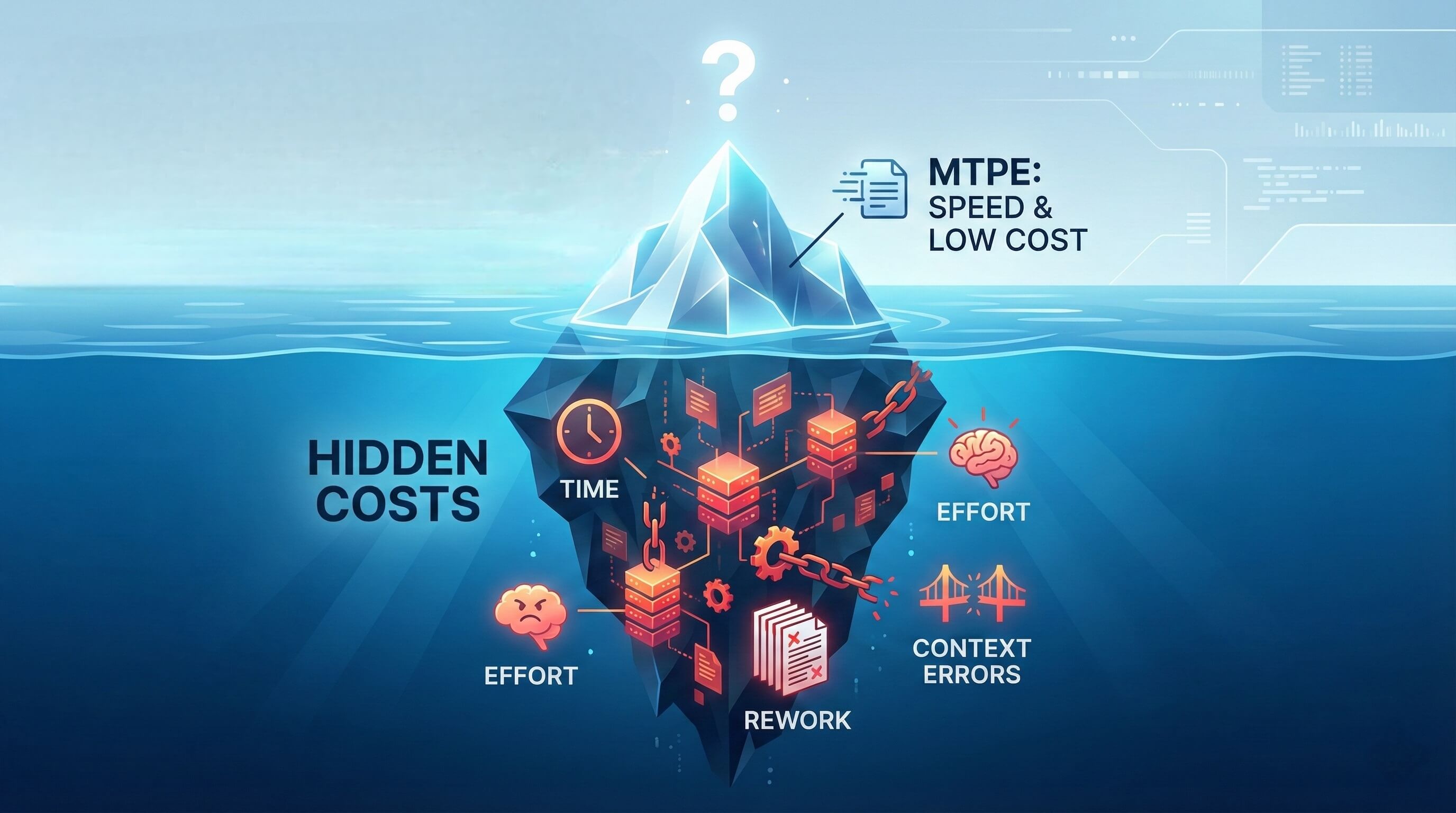
These jobs were never about linguistic mastery. They were about speed and cost — which is exactly where machine translation excels.
But translation jobs that involve risk, reputation, or persuasion still require human judgment.
Who Is Losing Work in 2026
Let’s be honest. Some translators are struggling more than others.
1. Generalists Without a Niche
Translators offering “any topic, any content, any client” are under the most pressure. When clients see AI delivering “good enough” output, they stop paying premium rates for generic work.
2. Word-Count-Only Pricing Models
Pricing purely by word count is becoming fragile. Clients now compare:
- AI output + light editing
- Full human translation
If the translator cannot clearly explain the value difference, the cheaper option often wins.
Who Is Winning in AI Translation Jobs
On the other side, some professionals are doing better than ever.
1. Domain Specialists
Legal, medical, financial, and regulated industries remain resistant to full automation. Errors here cost money, licenses, and trust.
Clients still want humans who understand:
- Terminology consistency
- Jurisdictional nuance
- Risk management
2. Translators Who Control the Workflow
The most successful translators in 2026 are not rejecting AI. They are controlling it.
They decide:
- Which tools to use
- How much automation is acceptable
- Where human review is mandatory
This is exactly where structured environments like the NovaLexy Playground become useful — not to replace thinking, but to test, compare, and refine outputs before delivery.
The MTPE Reality (Without Sugarcoating)
Machine Translation Post-Editing (MTPE) is now unavoidable in many workflows.
But here’s the uncomfortable truth: bad MTPE jobs burn people out.
Low rates, unclear expectations, and unrealistic productivity targets are pushing many translators away from these roles.
Smart professionals respond by:
- Setting clear MTPE quality levels
- Rejecting projects with undefined scope
- Using evaluation tools to justify time and pricing
This is where structured feedback systems and AI mentors — like those found in professional AI mentor tools — help translators defend quality decisions with evidence, not emotion.
New Opportunities Most People Miss
While everyone argues about rates, new roles are quietly emerging:
- Language quality managers
- AI output reviewers
- Localization consultants
- Prompt and workflow designers
These jobs don’t look like “traditional translation,” but they reward the same core skills: linguistic judgment, cultural awareness, and precision.
What the Data Actually Says
Industry research supports this split reality.
- CSA Research reports continued growth in language services, but with changing skill demands.
- Nimdzi highlights increasing client expectations around speed and consistency.
- Slator notes rising investment in hybrid human-AI workflows rather than full automation.
The market is not shrinking. It’s reorganizing.
The Bottom Line for Translators in 2026
AI translation jobs are not a death sentence — but they are a filter.
They reward professionals who:
- Specialize instead of generalize
- Control tools instead of fearing them
- Explain value instead of competing on price
The translators who struggle most are not less talented. They’re often operating with outdated assumptions about how work is assigned and evaluated.
The ones who adapt don’t just survive — they gain leverage.
And in a market reshaped by AI, leverage matters more than volume.
Frequently Asked Questions
No. AI is replacing simple, low-value translation tasks, not professional translators. Human expertise is still required for quality control, specialization, and client-facing work.
High-volume, low-context content like basic product descriptions and internal documents are most affected. Specialized fields such as legal, medical, and marketing remain human-driven.
By mastering post-editing, specializing in high-risk domains, improving productivity with AI tools, and offering value beyond word counts.